The Truth About Bread: What We’ve Lost Along the Way…
Across cultures and centuries, bread has represented nourishment…of body, community, and spirit. At its best, it is elemental, honest, and sustaining. It is the food we break, pass, and remember.
Yet somewhere along the way, this ancient staple, rooted in rich history and shared tradition, became highly industrialized. The 20th century redesigned bread into a commercial commodity, optimized for efficiency, speed, and scale rather than substance.
And over time, that change quietly reshaped the bread that fills today’s grocery aisles… often without us ever noticing.
Not all bread nourishes the body the same way.
So the question becomes: What is the bread on your table actually doing for you? Does it feel like fuel and nourishment, or is it simply convenience and filler?
When it comes to your toast in the morning, the sandwich at lunch, or the loaf you tear and share with family and friends, the difference is about ingredients, fermentation, flavor, and how your body responds long after the first bite.
When bread is made slowly, with whole grains, organic flour, and natural fermentation, something extraordinary happens. Flavor deepens. Structure strengthens. Digestion changes. Satisfaction lasts.
That’s real bread.
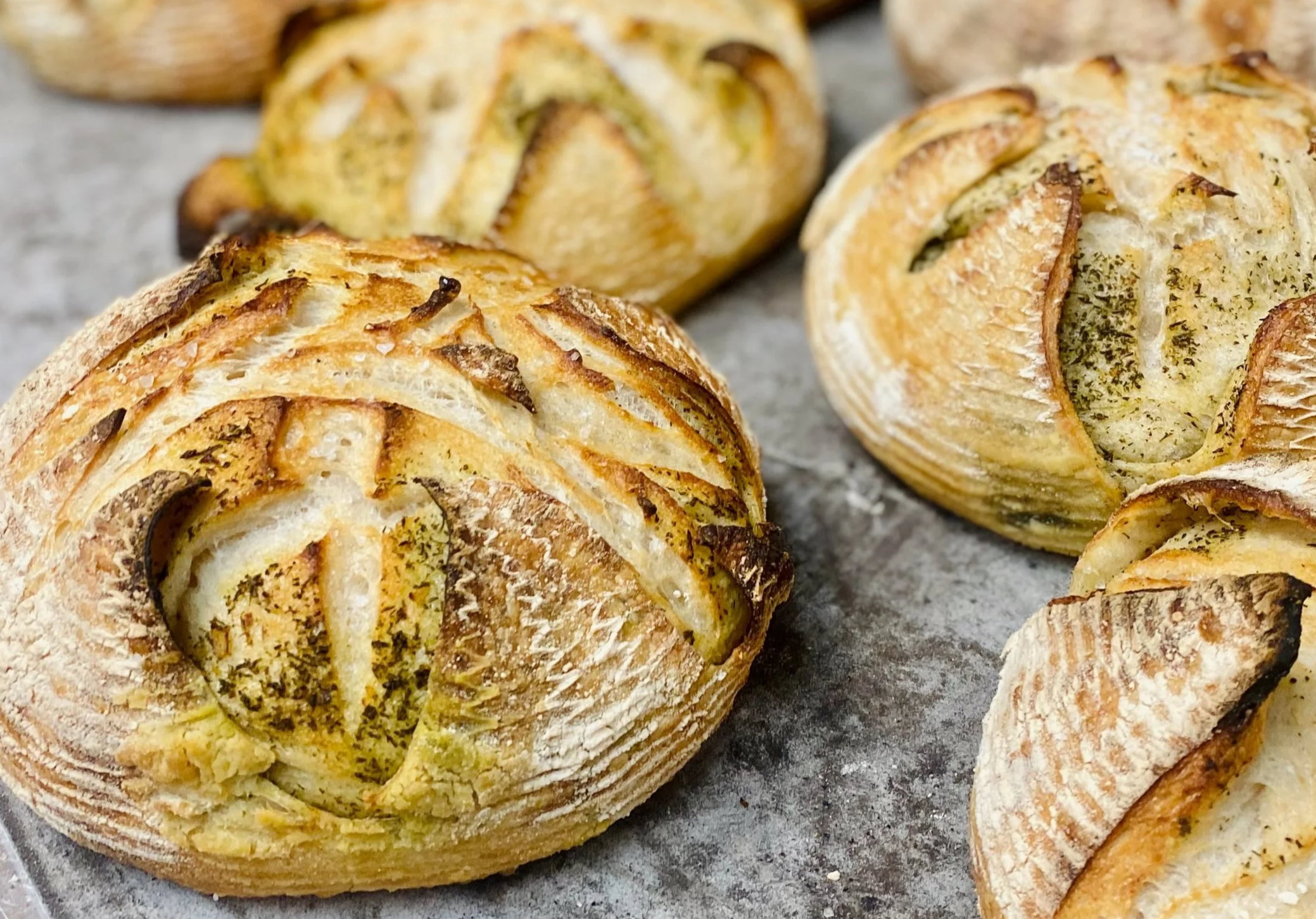
Our award winning Rosemary Meyer Lemon Sourdough Bread
The Modern Bread Aisle: What Changed?
If bread is so nourishing by nature, then why is real bread so hard to find in the modern grocery aisle?
Walk down the bread aisle, and you’ll see dozens of options promising “whole grain,” “heart healthy,” or “reduced sugar.” But turn the bag over, and you’ll often find synthetic preservatives, dough conditioners, emulsifiers, stabilizers, enriched white flour, and industrial yeast shortcuts.
Why? Because modern commercial bread was designed for shelf life and production efficiency, not for ingredient integrity.
And, that integrity begins well before baking. Bread begins in the field, and how grain is grown determines everything that follows.
Modern bread was engineered for convenience, not transformation.
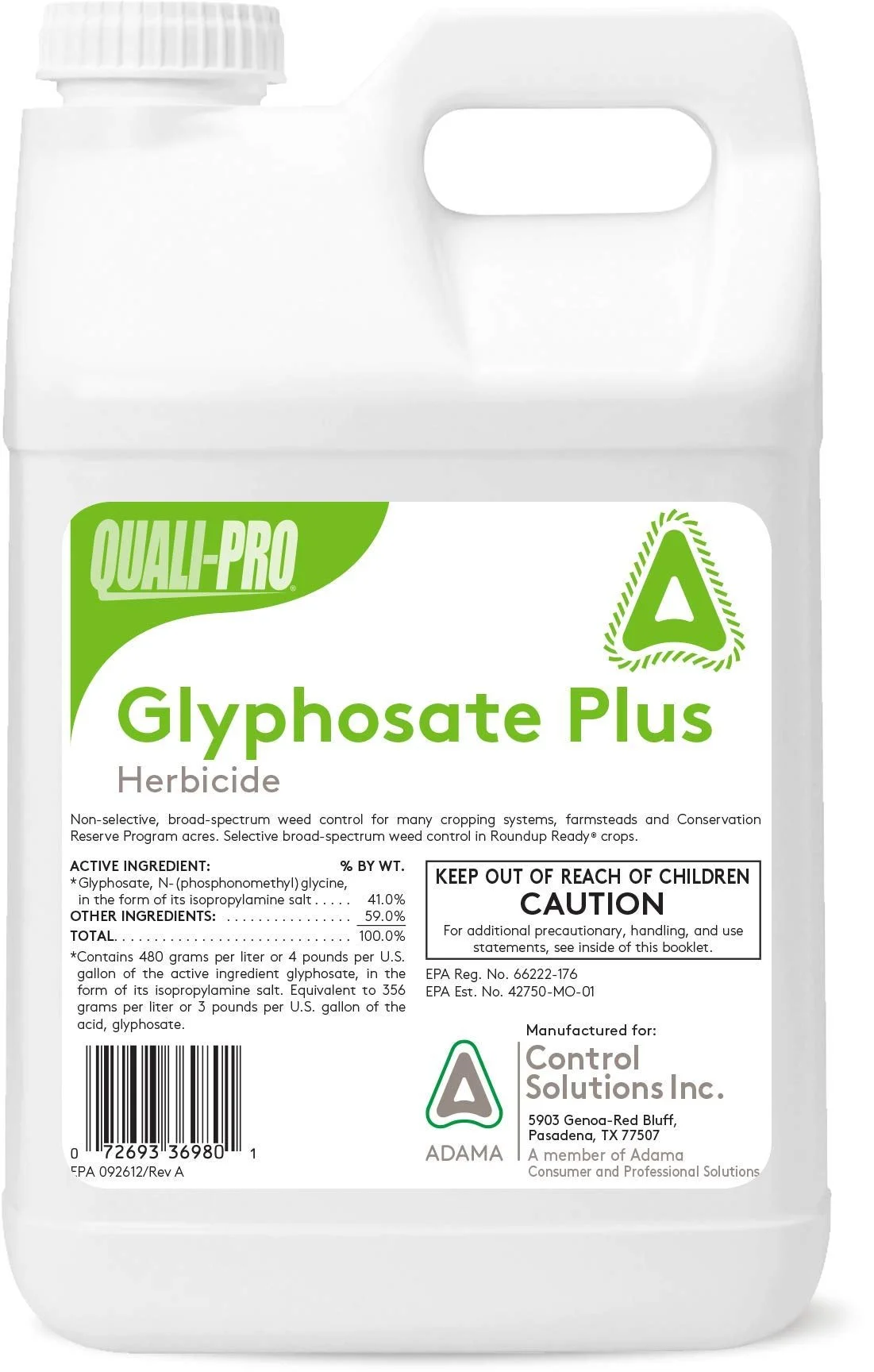
Glyphosate has been classified by the International Agency for Research on Cancer as “probably carcinogenic to humans.”
Before wheat is milled into flour, conventional crops are often treated with synthetic herbicides, such as glyphosate (commonly known as Roundup), during growth and sometimes sprayed again before harvest for faster drying and large-scale processing. The next step is refining.
Most commercial breads begin with refined flour because it creates a softer texture, longer shelf life, and faster production. But refining removes the bran and germ, the parts of the grain where fiber, nutrients, oils, and flavor naturally exist.
Some manufacturers add fiber back later. But once grain is dismantled and reconstructed, its natural structure is gone.
Real bread behaves differently.
The Fermentation Difference
Most commercial bread rises fast. Industrial yeast can double the dough in under an hour, accelerating the rise but cutting fermentation short.
Slow fermentation is one of the key differences. It is the natural process that allows grain to transform over time, developing flavor, modifying gluten, softening proteins, and changing how bread behaves in the body.
True sourdough is defined by its fermentation process. It is naturally leavened with a living starter of wild yeast and beneficial bacteria, and fermented slowly over many hours.
And that slower process changes how bread behaves in the body:
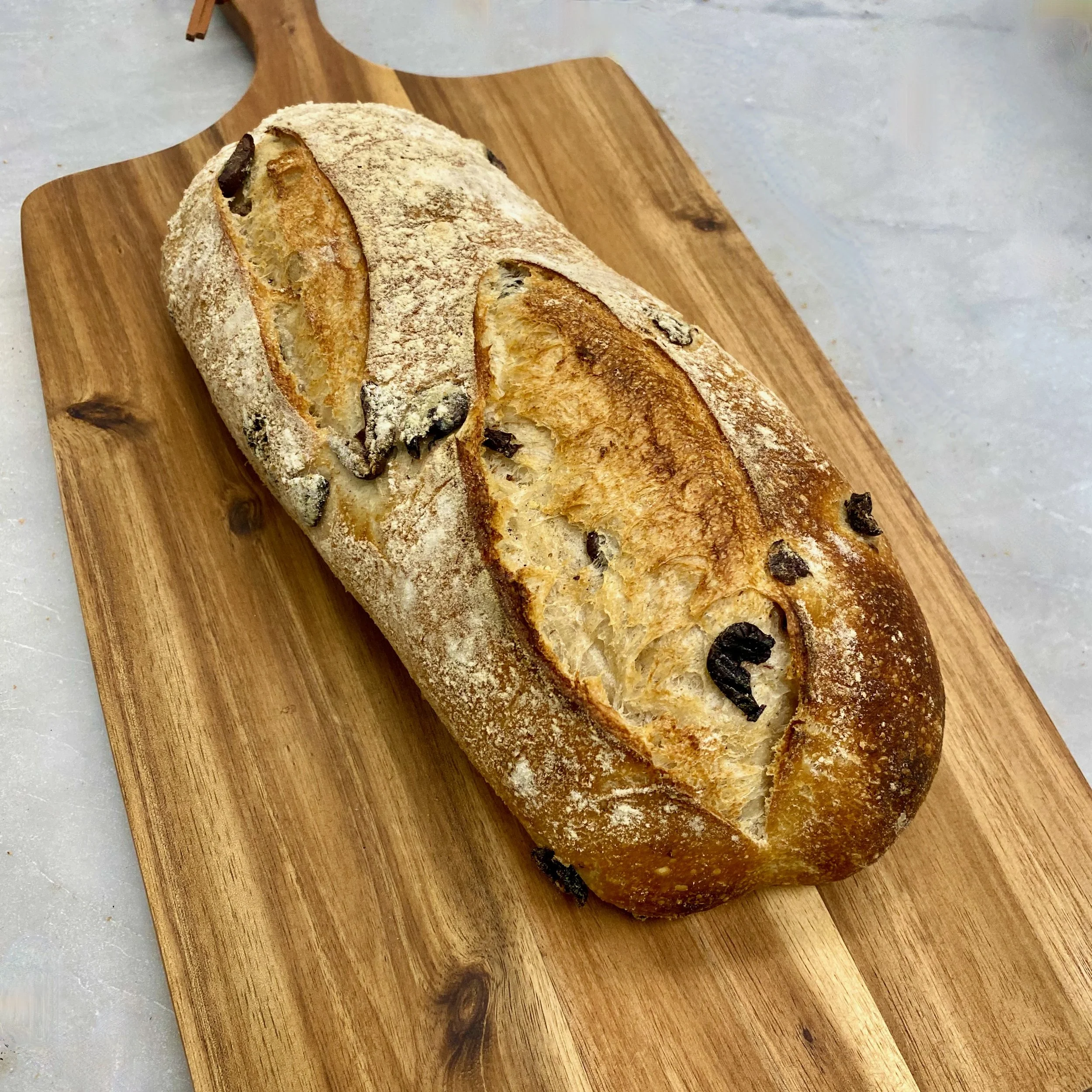
Our artisan Kalamata olive sourdough bread
Digestion becomes steadier
Carbohydrate absorption slows
Nutrients become more available
Beneficial gut bacteria are supported
Energy release becomes more balanced
Satisfaction lasts longer
Real bread was never the problem. The shortcuts were!
Why People Are Rediscovering Real Bread
There is a quiet return happening. People are rediscovering farmers’ markets, organic ingredients, fermentation, and food made with care and intention.
This isn’t about trend dieting or elimination. It’s about understanding how food interacts with our bodies.
The body recognizes real food.
We now know the microbiome (the ecosystem of beneficial bacteria in the digestive tract) influences digestion, immune function, inflammation, mood, and metabolic health. And, what we eat directly shapes that system.
Slow-fermented bread made with whole grain and natural ingredients works in harmony with the body rather than against it. It supports steadier digestion, balanced energy, longer-lasting satiety, and a healthier relationship with bread itself.
When grain is allowed to fully transform through fermentation, nutrients are not just present, they become more available and more usable.
And when bread is made properly, it returns to what it was always meant to be: nourishing, satisfying, and worthy of the table.
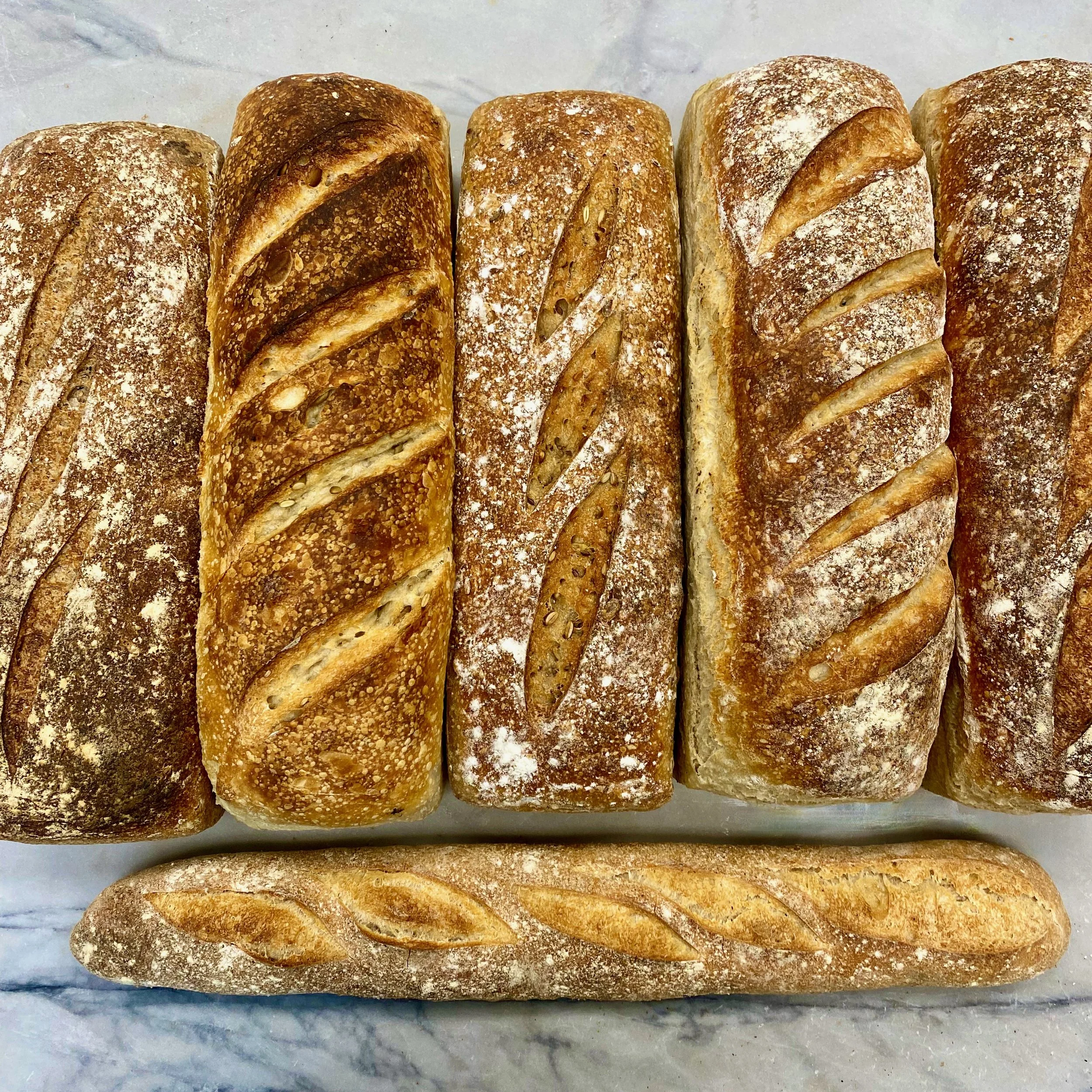
Bread as it should be
The Baker and The Cakemaker
The Baker and The Cakemaker began in Auburn with one clear commitment: To make bread the way it should be.
We didn’t set out to create a movement; we simply refused to take shortcuts. From the beginning, we chose certified organic flour, kept the grain whole, and embraced slow, natural fermentation with a living starter, without synthetic preservatives, artificial additives, or commercial yeast shortcuts.

Sourdough breads at The Baker and the Cakemaker cafe in Auburn, CA.
That commitment shaped everything that followed.
Farmers’ markets sold out. Customers drove hours. Families filled their freezers. And last year, our bread even placed second in the worldin a renowned international baking competition.
But more meaningful than awards is what we hear every day: people can taste the difference, feel the difference, and trust the ingredients.
That is the standard we believe bread should meet.
And Now, Our Bread Can Reach Your Table
For years, customers have asked how they could enjoy our bread if they didn’t live nearby. We listened, and we worked hard to make it possible without compromising the integrity of our loaves.
Now, our artisan sourdough can be delivered directly to your door, anywhere in the U.S.
This is the bread worth having and sharing. This is bread the way it should be.
To order, click the link below:
Bread the way it should be.
The Baker and The Cakemaker